
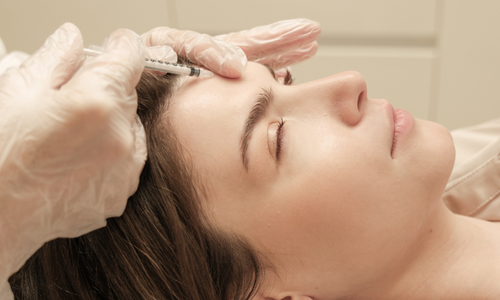
The Surprising Uses of Botox
Botox (botulinum toxin) is most commonly associated with aesthetics, anti-wrinkle treatments, and anti-aging care. However, beyond its well-known cosmetic role, botulinum toxin has a long history of medical and therapeutic use that might be surprising.
What Is Botox and How Does It Work?
Botox is botulinum toxin type A and works by temporarily blocking nerve signals to targeted muscles or glands. In aesthetics, this controlled muscle relaxation is what allows Botox to soften expression lines and support anti-wrinkle and anti-aging outcomes. The same mechanism also enables a range of non-cosmetic applications. Learn more about Botox here.
The Surprising Uses of Botox
Chronic Migraine
Botox is an established treatment for chronic migraines, helping reduce headache frequency by calming overactive nerve pathways in the forehead and temples.
Excessive Sweating (Hyperhidrosis)
Botulinum toxin can reduce excessive sweating by blocking the signals that stimulate sweat glands, commonly in the underarms, hands, feet, or scalp.
Jaw Tension, Bruxism, and TMJ Symptoms
In both medical and aesthetics settings, Botox is used to relax overactive jaw muscles, which may help with teeth grinding, facial tension, and TMJ-related discomfort.
Difficulty Burping (R-CPD)
In people who are unable to burp due to retrograde cricopharyngeal dysfunction, botulinum toxin may be used to relax the throat muscle responsible, allowing trapped air to be released more easily.
Muscle Spasms and Bladder Conditions
Botox is also used in neurology and urology to manage muscle spasticity and overactive bladder by temporarily reducing unwanted muscle contractions.
The versatility of Botox lies in its precise, temporary action. While it remains a cornerstone of anti-wrinkle and anti-aging treatments in aesthetics, botulinum toxin continues to play an important role across multiple medical disciplines.
Botox is far more than a cosmetic treatment. From aesthetics and anti-aging care to therapeutic and medical applications, botulinum toxin has become a widely studied and trusted treatment when administered by qualified professionals following appropriate consultation.
 Nuvola Aestheics